Country-Specific Campaigns
This page contains letters and resources for individual countries.

Temporary Protected Status (TPS) and Deferred Enforced Departure (DED) are critical tools that provide safety and stability to individuals from countries facing extraordinary conditions such as armed conflict, environmental disaster, or other crises. Across the globe, advocates, organizations, and lawmakers have launched country-specific campaigns urging the U.S. government to designate or extend protections for nationals of particular nations. This page compiles key letters, policy briefs, and reports that document these efforts, offering a comprehensive resource for understanding how each campaign has evolved and why continued advocacy is essential.
The Foundation of Country-Specific Campaigns
Country-specific campaigns are built on the principle that protection must be tailored to the unique circumstances of each nation. While TPS and DED share a common purpose, the conditions that trigger their designation vary widely. For example, a country ravaged by a hurricane may require temporary relief from deportation, while a nation engulfed in civil war may need broader protections. These campaigns bring together affected communities, legal experts, and policymakers to present evidence and argue for action.
Advocates often rely on a combination of official letters, policy briefs, and grassroots mobilization to make their case. The materials collected here—ranging from congressional correspondence to reports by organizations like the Center for American Progress and the Center for Migration Studies—demonstrate the depth of research and urgency behind each request. By examining these documents, readers can trace the trajectory of each campaign and understand the specific challenges faced by nationals of each country.
“The designation of Temporary Protected Status is not merely a legal technicality; it is a lifeline for families who have lost everything to forces beyond their control.”
Afghanistan: Responding to a Rapid Humanitarian Crisis
The fall of Kabul in August 2021 triggered an immediate need for protection for Afghan nationals in the United States. On October 8, 2021, a coalition of organizations sent a letter requesting the strategic use of TPS and DED to shield Afghans from return to a country under Taliban control. The letter emphasized the severe risks faced by those who had worked with U.S. forces, women and girls, religious minorities, and journalists.
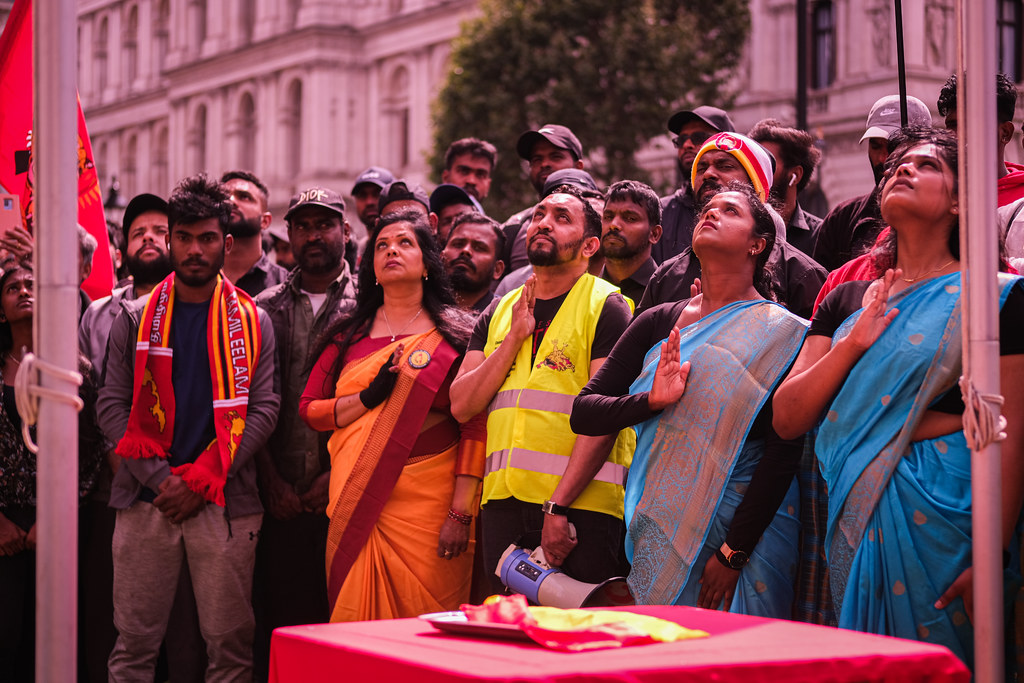
Advocates argued that both TPS and DED could be employed simultaneously to cover different groups, ensuring that no Afghan national would be forced to return to danger. The campaign highlighted the urgency of the situation, noting that conditions in Afghanistan had deteriorated to the point where safe return was impossible. This effort underscored the importance of swift administrative action in the face of rapidly unfolding crises.
Cameroon: A Multi-Year Push for Protection
The campaign for Cameroon has been one of the most sustained, with multiple letters and policy briefs issued over several years. As early as October 2020, The Leadership Conference on Civil and Human Rights urged the Trump administration to protect Cameroonians in the United States, citing escalating violence between government forces and separatist groups in the Anglophone regions. The conflict has led to widespread displacement, human rights abuses, and a humanitarian emergency.
In 2021 alone, advocates issued a backgrounder in January, a letter signed by over 200 organizations in October, and a congressional letter led by Senator Van Hollen in November. A policy brief from the Center for American Progress in March 2022 further detailed the urgency, noting that the security situation had not improved. The sustained nature of this campaign reflects the ongoing nature of the crisis and the determination of advocates to secure protection for Cameroonians.
Central America and the Caribbean: Environmental Disasters and Beyond
Several countries in Central America and the Caribbean have been the focus of TPS campaigns due to a combination of environmental disasters and chronic instability. For El Salvador, Honduras, and Guatemala, a joint letter in February 2021 called for TPS designation, building on earlier reports that documented the devastating impact of hurricanes and earthquakes. Honduras, for example, was still recovering from Hurricane Mitch when advocates issued a report in 2018, and subsequent storms have compounded the challenges.

Haiti's campaign has been particularly active, with a letter in April 2021 requesting redesignation of TPS following the assassination of President Jovenel Moïse and a devastating earthquake. A 2018 report had already made the case for TPS, arguing that Haiti's fragile infrastructure and political instability made safe return impossible. The Bahamas, too, sought TPS after Hurricane Dorian in 2019, highlighting the vulnerability of small island nations to climate-related disasters.
Africa and the Middle East: Conflict and Instability
Ethiopia's campaign gained momentum in 2021 as conflict in the Tigray region escalated, leading to widespread atrocities and displacement. A backgrounder from the Center for Migration Studies in August 2021 estimated the number of Ethiopians who might qualify for TPS, and a letter in December called for action on UN Human Rights Day. Advocates emphasized the need for an 18-month designation to provide stability while the situation remained volatile.
Lebanon's campaign was driven by a combination of economic collapse, political dysfunction, and the aftermath of the Beirut port explosion. In September 2020, 148 organizations signed a letter to DHS requesting TPS, and a follow-up letter in August 2021 reiterated the request. Mauritania's campaign, led by 165 organizations in February 2021, focused on the risks faced by Black Mauritanians, including slavery and ethnic violence. These campaigns illustrate the diverse reasons why countries may warrant TPS or DED.
Asia and Latin America: Ongoing Struggles
Nepal's campaign has been ongoing since the 2015 earthquake, with reports in 2018 documenting the slow pace of recovery and a letter in August 2021 requesting an 18-month redesignation. Advocates argued that Nepal's infrastructure remained inadequate and that many Nepalis in the U.S. would face extreme hardship if forced to return. Mexico's campaign, initiated in February 2021, cited violence from drug cartels and the inability of the Mexican government to protect its citizens in certain regions.
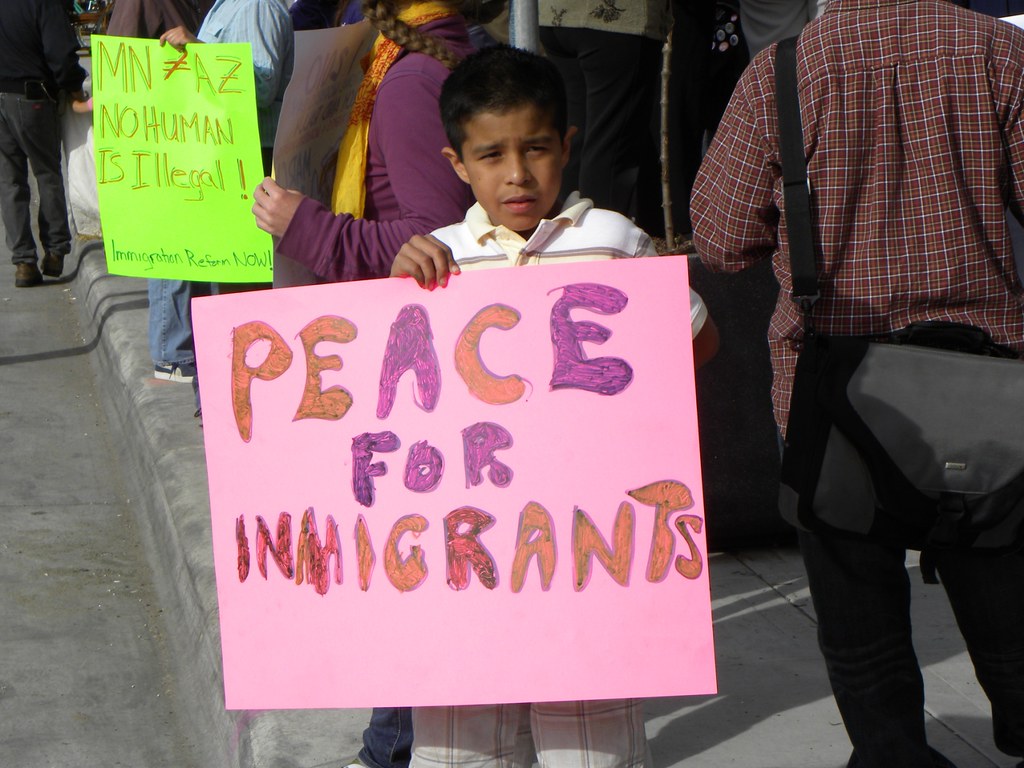
These campaigns, while varied in their specifics, share a common thread: the recognition that returning individuals to countries in crisis is both inhumane and contrary to U.S. interests. By providing temporary protection, the U.S. can uphold its humanitarian values while allowing conditions in the home country to stabilize. The materials on this page serve as a testament to the tireless work of advocates who refuse to let these crises be forgotten.